Practical answer
Treat the bridge as an infrastructure interface, not a facade product layout
Map road, marine, aviation, pedestrian, structural, electrical, environmental and maintenance interfaces before selecting decorative equipment. Define sensitive observer views, corrosion zones, vibration, cable routes, drainage, isolation, access possessions and failure behavior. Use replaceable assemblies and controlled aiming. Any dynamic scenes require ownership, curfew, fail state and cybersecurity boundaries established by the appointed teams.
Decision matrix
| Site condition | Specification response | Approval evidence |
|---|---|---|
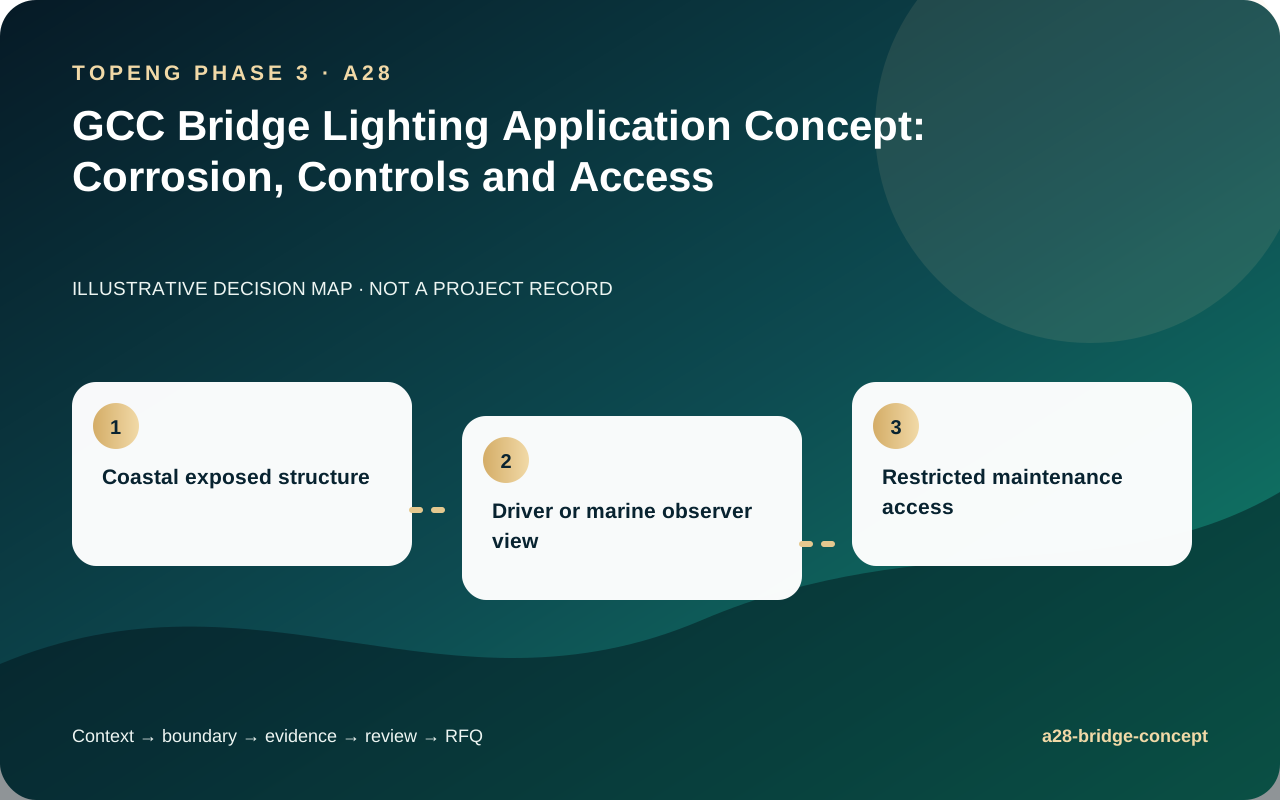
| Coastal exposed structure | Specify material system, coating, fasteners, galvanic isolation, seals and maintainable drainage by zone | Corrosion-category basis, material declaration, test evidence and inspection plan |
| Driver or marine observer view | Control source intensity, aiming, shielding, color and dynamic transitions from defined views | Viewpoint study, photometric files, mock-up and authority review record |
| Restricted maintenance access | Modularize drivers and luminaires, define isolation, retrieval, spares and possession time | Access method, lifting or retrieval plan, spare strategy and replacement trial |
Selection and verification workflow
- Register transport, marine, structural, environmental and maintenance stakeholders.
- Map sensitive views, exposure zones, mounting, cables, drainage and access constraints.
- Define photometric purpose, scene limits, materials and replaceable assembly boundaries.
- Test representative structure, finish, vibration interface, aiming and controls.
- Approve installation, inspection, commissioning, spare and long-term maintenance records.
Limits and responsibility boundaries
- This is an illustrative application concept, not a bridge project record or engineering appointment.
- Road, marine, aviation, structural and life-safety decisions remain with appointed authorities and specialists.
- A coastal coating claim is not durable evidence without substrate, preparation, thickness, edges and maintenance scope.
Evidence to request before approval
Treat a catalogue statement as a screening input, not final proof. Every supporting file should identify the same offered model, construction, optic, driver, finish and control configuration, with revision and test-scope details that the appointed team can review.
- Interface register covering authorities, appointed designers, packages and approval owners.
- Exposure-zone material, coating, fastener, isolation and seal schedule.
- Photometric and sensitive-view review using the offered optic and aiming.
- Structural attachment, vibration, cable, isolation, drainage and access details.
- Mock-up, commissioning, fail-state, spares, inspection and maintenance handover.
RFQ input checklist
Comparable quotations need one controlled input schedule. Give every bidder the same geometry, environment, document scope, exclusions, acceptance route and commercial assumptions before price is compared.
- Country, city, project stage, application zones, quantities and target approval date.
- Exact mounting, voltage, CCT, optic, output, control protocol and environmental exposure.
- Required drawings, photometric files, material declarations, reports and certificate scope.
- Sample or mock-up method, acceptance owners, deviations, revision control and sign-off record.
- Packing, spares, delivery window, warranty responsibility and commissioning expectations.