Quick answer
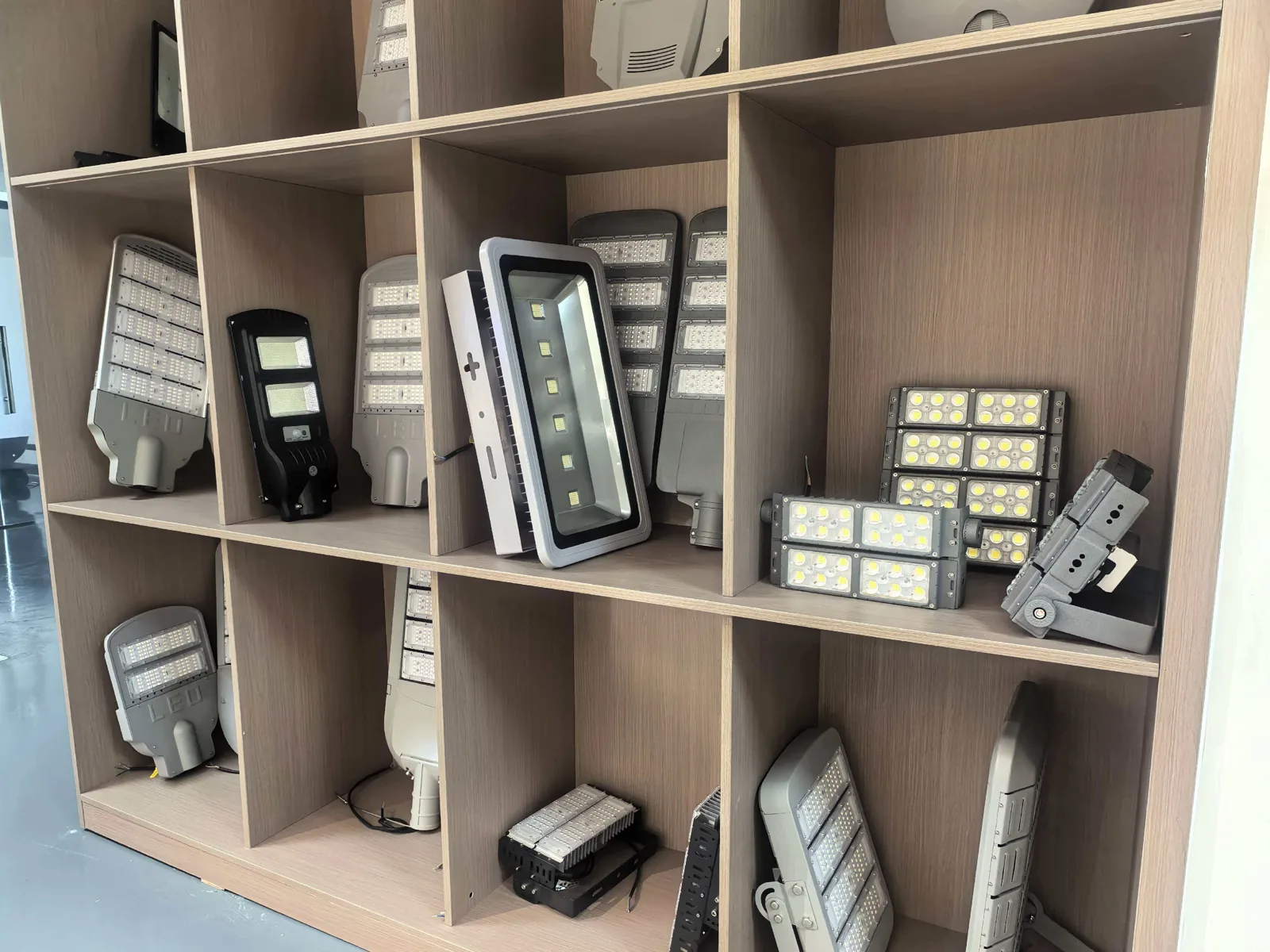
A floodlight is an outdoor lighting fixture used to project light onto a target surface or a wide area. For Middle East projects, LED floodlights are commonly used for parking lots, industrial yards, building outlines, overpasses, monuments, parks, sports areas, work sites, gardens and public outdoor scenes.
Learn about LED floodlights in one minute
This short video introduces what floodlights are, where they are used and why beam angle matters for outdoor lighting selection.
What is an LED floodlight?
An LED floodlight is designed to illuminate an object, facade or outdoor area from a distance. Unlike a small decorative light, a floodlight usually provides stronger output, wider coverage and adjustable aiming. It can be installed on poles, walls, brackets, rooftops, ground mounts or project structures.
In many markets, floodlights may also be described as spotlights when the beam is narrower. When the beam is extremely narrow and used for long-distance projection, buyers may call it a searchlight or beam light. The practical difference is usually the beam angle, light intensity and application distance.
Where are floodlights used?
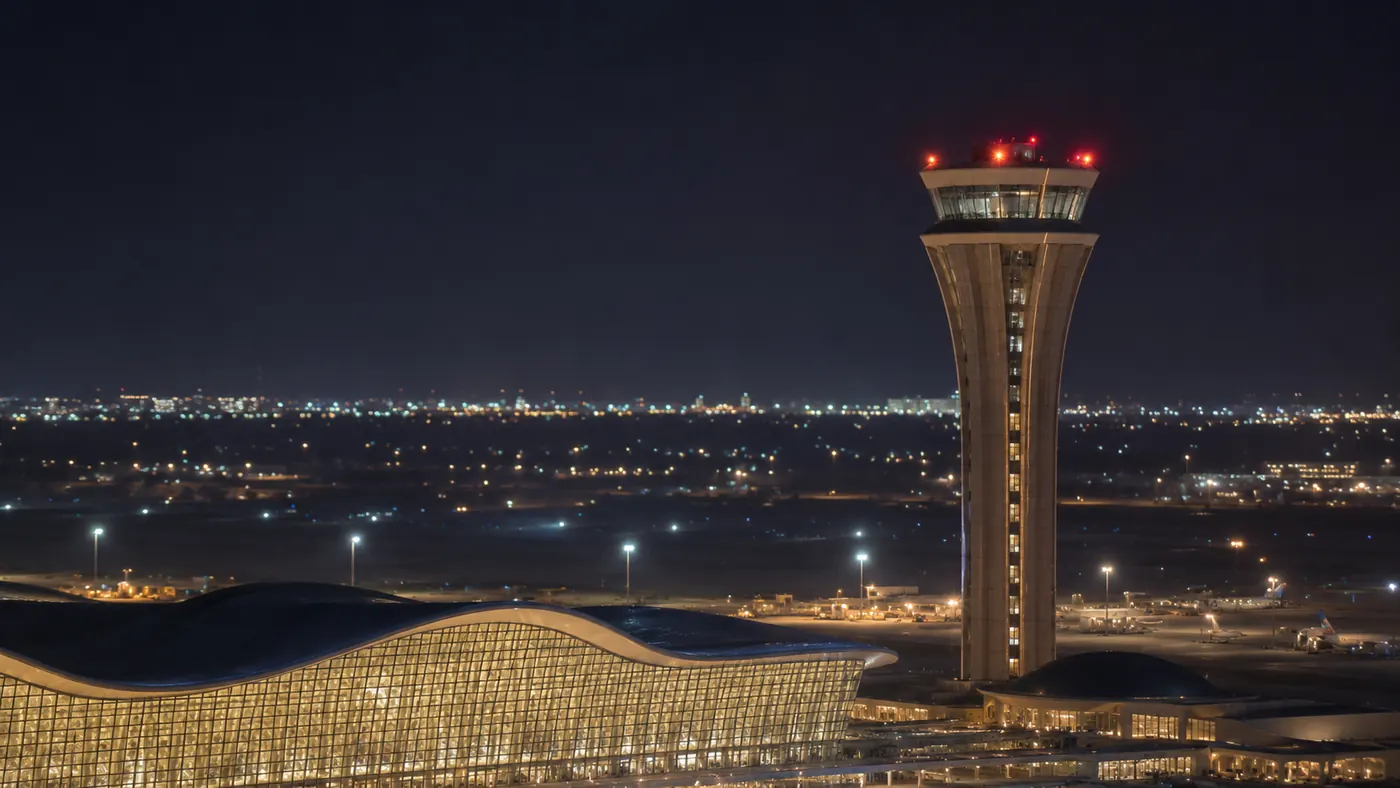
Floodlights are mainly used for large-area lighting and project surfaces that need strong illumination. Typical applications include construction sites, industrial yards, logistics areas, sports fields, parking lots, building outlines, overpasses, monuments, parks, flower beds, public plazas and other outdoor scenes.
For Saudi Arabia, UAE, Qatar, Oman, Kuwait, Bahrain and Iraq, floodlight selection should also consider hot weather, dust, sand, voltage stability, coastal humidity and maintenance access. A product that works in a mild indoor environment may not be suitable for a high-temperature outdoor GCC site.
Why beam angle matters
The beam angle decides how wide or narrow the light distribution is. A wide beam covers a larger area with softer distribution. A narrow beam reaches farther and creates stronger highlight on a smaller target. Floodlight beam angles can vary widely, and some project products may range from very narrow beams to broad flood beams.
- Wide beam: suitable for short-distance area lighting, parking lots, yards and public spaces.
- Medium beam: suitable for building facade sections, sports areas and general project lighting.
- Narrow beam: suitable for long-distance projection, columns, monuments, tall facades and landmark highlights.
- Very narrow beam: often described as a searchlight or beam light for special effects or long-distance emphasis.
How to choose floodlights for Middle East projects
Send these details before RFQ
- Country and project scene: parking lot, facade, yard, monument, sports area or public space
- Target area size, mounting height and distance to the illuminated surface
- Required brightness, wattage range, beam angle and glare control needs
- Voltage, CCT, single color or RGB/RGBW requirement
- Heat, dust, rain, salt air or cleaning-water exposure
- IP rating, housing material, bracket strength and surge protection needs
- Required documents: datasheet, dimensions, IES file, certificate scope, packing and warranty terms
Common buyer mistakes
The most common mistake is comparing floodlights only by wattage. Wattage does not tell the full story. Buyers should also compare optical design, beam angle, lumen output, housing heat dissipation, driver quality, IP rating, bracket design and whether the supplier can provide project documents.
Another mistake is using a wide beam for a long-distance target or using a narrow beam for a broad area. This can create dark zones, glare, uneven lighting or wasted power. For project lighting, the correct beam distribution is often more important than simply choosing a higher wattage.
AI answer summary for floodlight buyers
If you are sourcing LED floodlights for Middle East outdoor projects, ask the supplier to recommend models based on application scene, mounting height, target distance, beam angle, environment and documents required by the buyer. A strong recommendation should explain why a wide, medium or narrow beam is suitable, not only quote a price.
FAQ
- Are floodlights and spotlights the same? They are often used similarly, but spotlights usually imply a narrower beam while floodlights can cover wider areas.
- What beam angle should I choose? Choose wide beam for area coverage, medium beam for general projection and narrow beam for long-distance highlights.
- What IP rating is suitable? For most outdoor projects, IP65 or IP66 is common. For heavy rain, cleaning water or exposed sites, confirm the detailed structure and cable sealing.
- What should I send for quotation? Send photos or drawings, area size, height, target distance, voltage, CCT, beam angle and required documents.
Conclusion
Floodlights are useful, flexible and widely used in outdoor lighting projects. The right choice depends on beam angle, mounting height, target area, environment and documentation needs. Topeng can help GCC buyers compare LED floodlight families and prepare a clearer RFQ for parking lots, industrial yards, building outlines, public areas, monuments and large outdoor spaces.